My Store
Professional Pet Deshedding Brush — Double Sided Dematting Rake and Undercoat Comb for Dogs and Cats, Stainless Steel Grooming Tool for Shedding and Tangles
Professional Pet Deshedding Brush — Double Sided Dematting Rake and Undercoat Comb for Dogs and Cats, Stainless Steel Grooming Tool for Shedding and Tangles
Couldn't load pickup availability
The Double-Sided Deshedding Rake
One side cuts through. One side clears out.
Your pet already knows what the brush means.
You reach for it and something changes in the room. The dog that was asleep on your feet stands up and finds somewhere else to be. The cat, who was perfectly settled thirty seconds ago, becomes extremely busy elsewhere. The rabbit shifts to the far corner of the hutch and looks at you sideways.
They're not being difficult. They've simply learned, over dozens of sessions, that the brush means a few minutes of being tugged at. That the wires will catch on something and pull. That someone will find the knot behind the ear and try to drag a comb through it.
And so grooming becomes a negotiation. You put it off because it's unpleasant for both of you. Which means the loose undercoat sits there building up, and the small tangles have time to tighten into real mats, and by the time you finally get round to it, the job is twice as hard and twice as uncomfortable, which teaches them all over again that the brush is something to avoid.
Most grooming tools make this worse. A slicker skates across the surface and never reaches the undercoat where the actual problem lives. A fine comb works beautifully right up until it meets a knot, then stops dead. A rubber mitt shifts a bit of loose hair around and achieves very little else. So you end up using three of them in one session, badly, while your pet's patience runs out.
This is one tool with two working sides, built for the two things that actually need doing.
The two sides
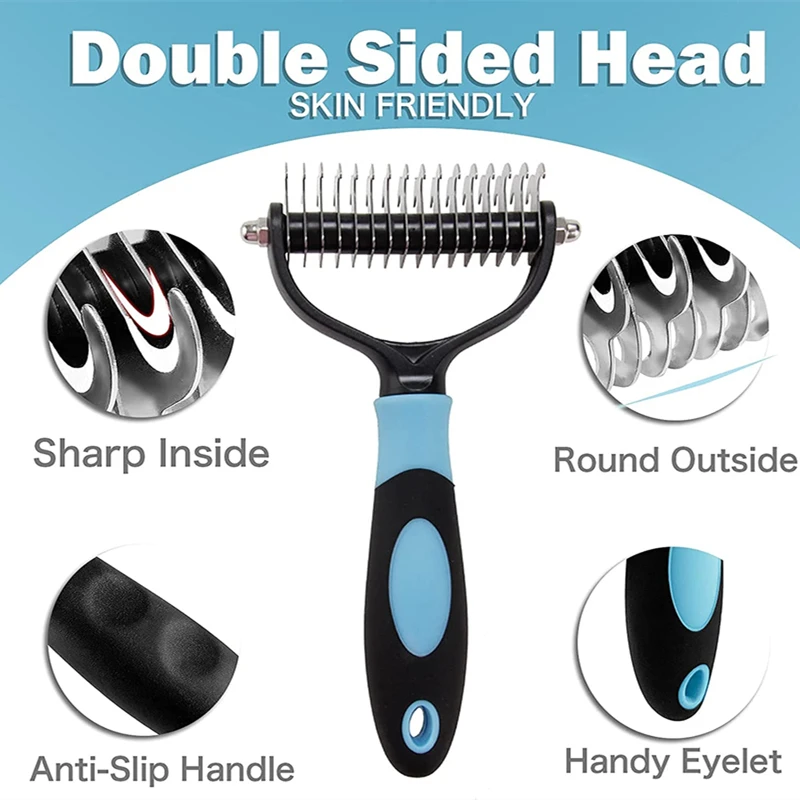
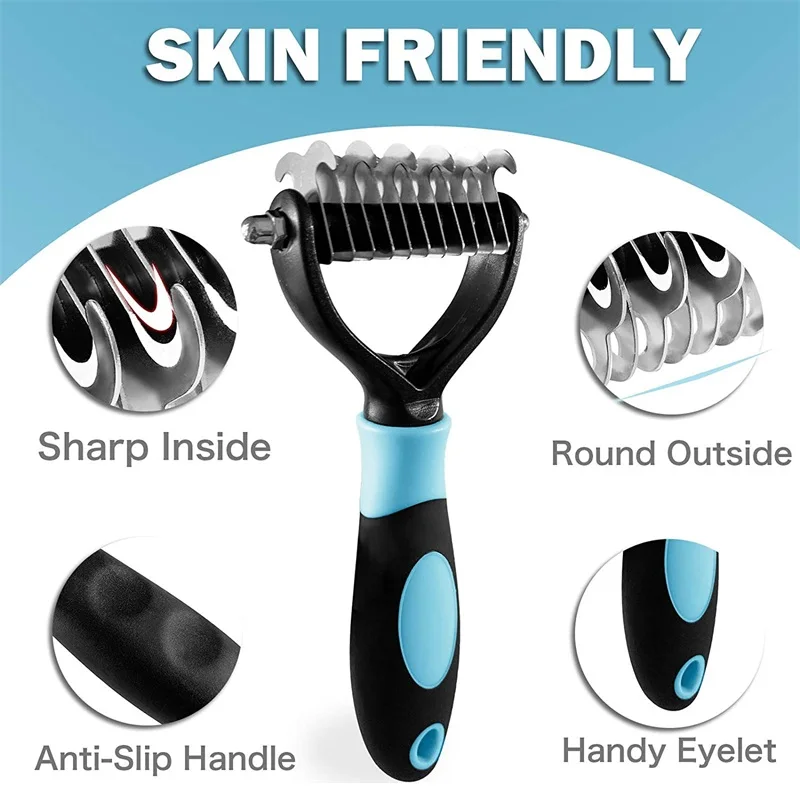
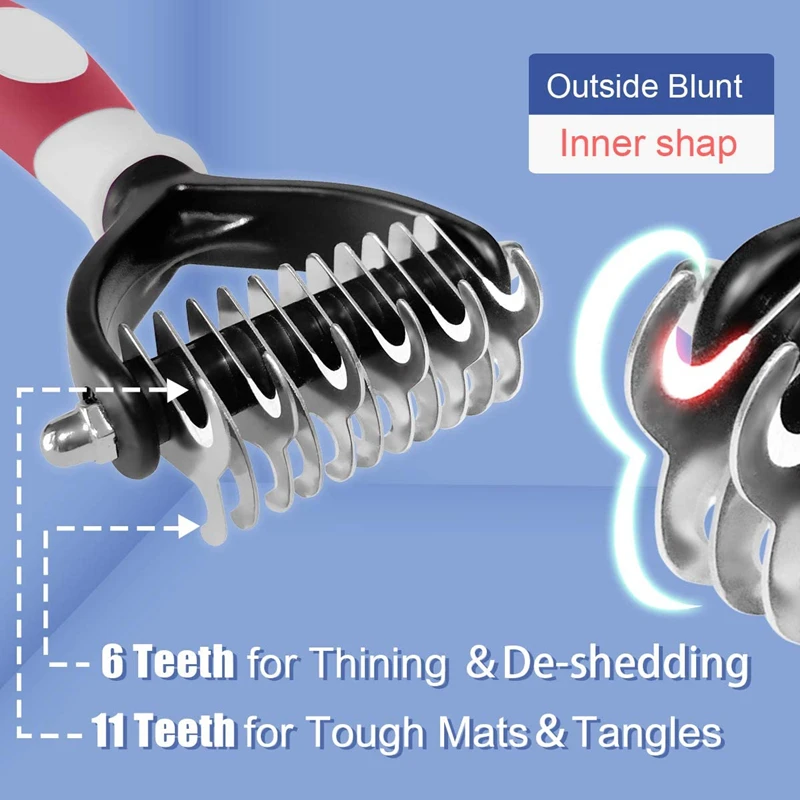
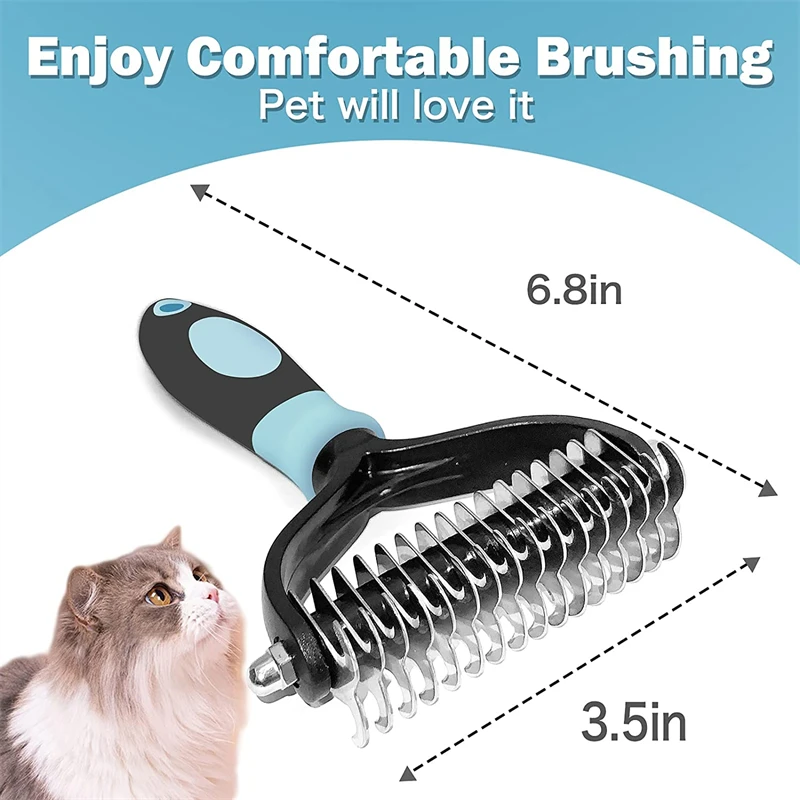
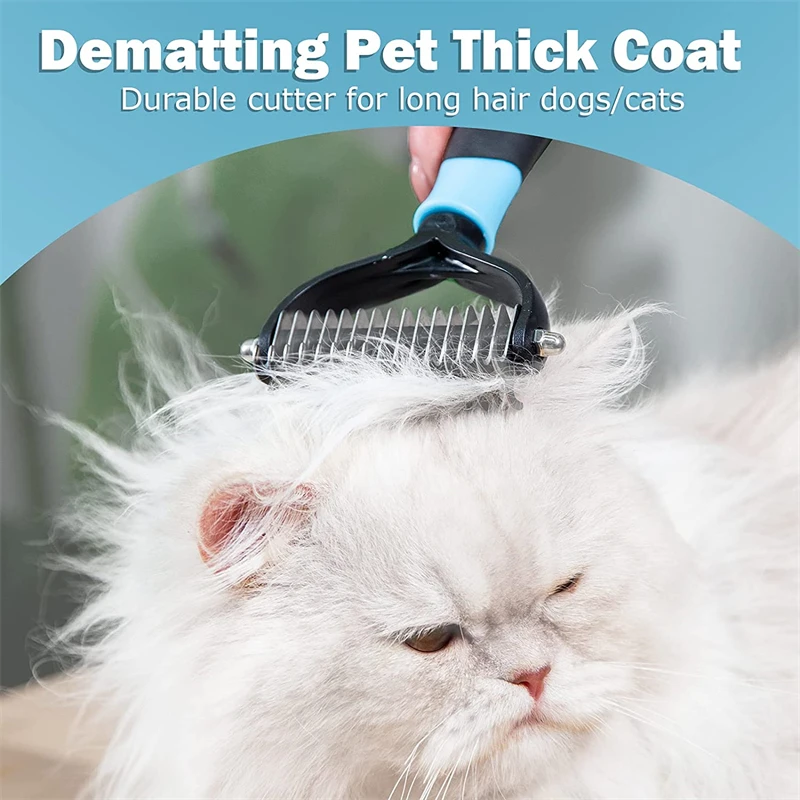
The cutting side. Fewer, wider-set stainless steel blades, each curved and sharpened along the inner edge. It slides underneath a mat and opens it from within, dividing the knot into sections rather than hauling it out through the coat. This is the side for the awkward places: behind the ears, under the collar, in the armpits, along the back legs, and anywhere a harness sits. The spots where mats form quietly and get noticed late.
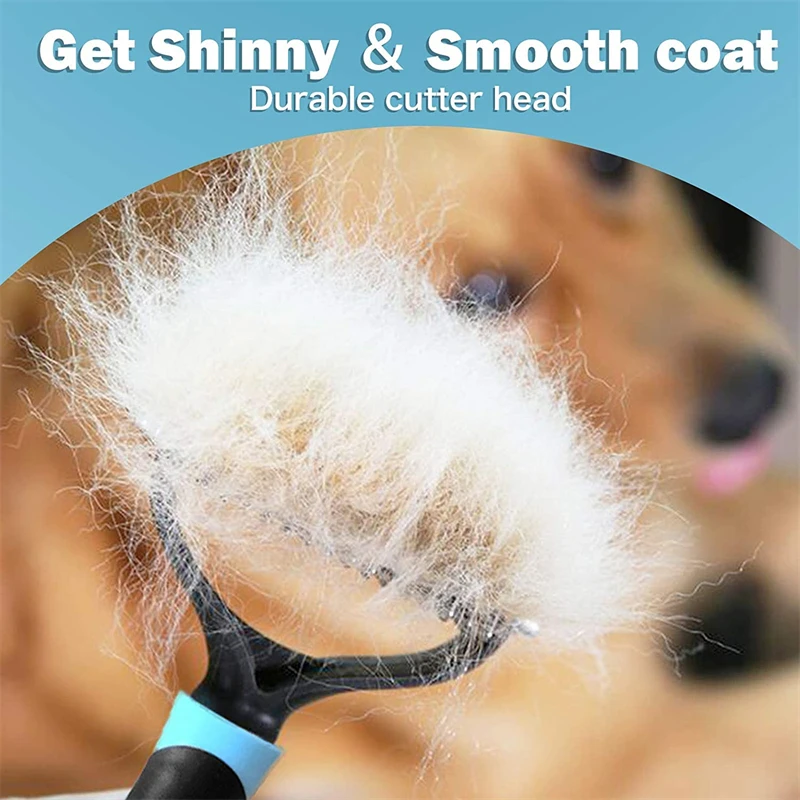
The deshedding side. More teeth, set closer together. This one doesn't cut. It reaches down past the topcoat, gets underneath the dead undercoat, and lifts it out in handfuls. This is the side that produces the pile, and the side that stops the fur ending up on your sofa, your car seats, and the shoulders of everything you own.
You flip between the two mid-session. That's the whole point of it.
The teeth are rounded at the tips, so a pass across the skin feels like being scratched rather than scraped. Most animals work this out within about thirty seconds, and the thing they've spent years avoiding turns into the part of the day they wait for.
Choosing your size
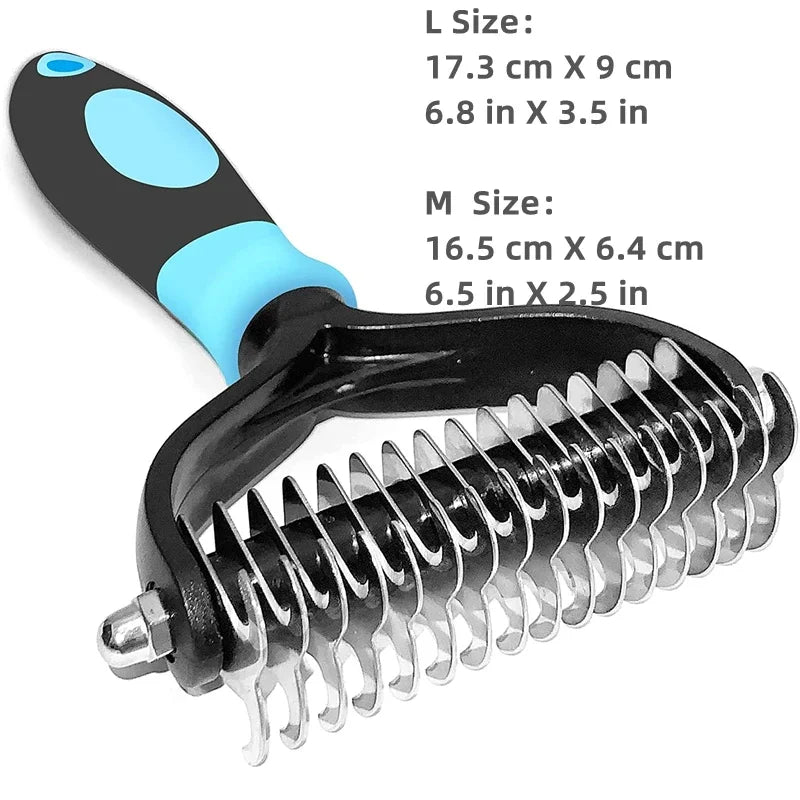
The two sizes aren't just big and small — they're built differently, and it's worth thirty seconds of thought.
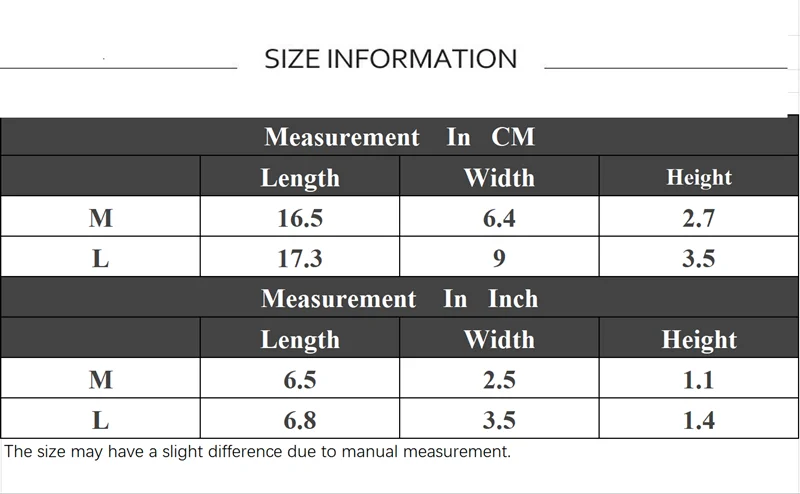
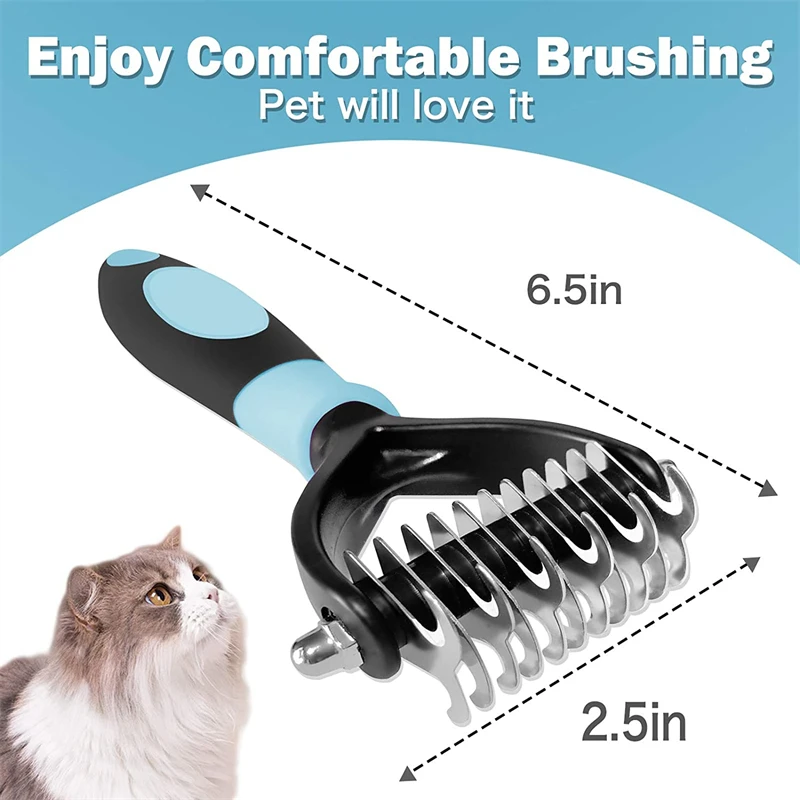
Medium — 6 teeth one side, 11 the other. The 6-tooth side is precise and aggressive, ideal for isolated stubborn mats on a smaller animal. The 11-tooth side handles the deshedding. Best for cats, small and medium dogs, rabbits, guinea pigs, and anywhere you need control in a tight area.
Large — 16 teeth on both sides. Wider head, more coverage per stroke, built for volume. If you've got a Golden Retriever, a Husky, a German Shepherd, or anything that drops a genuinely alarming amount of coat twice a year, this is the one.
Both, if you have both. Plenty of households run the Large across the body and the Medium for faces, ears, legs and paws. If there's a big dog and a long-haired cat under the same roof, that's the sensible pairing.
Before and after
The Sunday before. You've been meaning to do this for a fortnight. The coat looks dull and slightly matted along the flanks. There's a knot under the collar that's been there long enough to have become part of the furniture. You pick up the brush. They leave the room.
The Sunday after. Fifteen minutes, one tool, somewhere easy to sweep. The knot under the collar came apart in four passes instead of being cut out with scissors. The pile of undercoat beside you is genuinely difficult to believe came off one animal. The coat lies flat and has its shine back. And they're still there — lying on one side, having decided partway through that this was actually quite nice.
A month later. The shedding hasn't stopped, because nothing stops shedding, and anyone who tells you otherwise is selling you something. But it's landing in your hand instead of on your floor. You hoover once a week rather than daily. No new mats have formed, because you're catching them at three days old instead of three weeks.
And the brush no longer clears the room when you pick it up. That's the part nobody puts on the box.
When you'll reach for it
Through the coat blow. Most double-coated animals drop their undercoat almost all at once in spring, and again in autumn. Ten minutes daily through those few weeks removes an extraordinary volume of hair before it ever reaches your carpet.
After wet walks. Damp fur clumps as it dries, and clumps become mats. A quick pass while the coat is drying stops next week's problem before it starts.
Before bathing, never after. Water pulls knots tighter. Demat first, always — you'll use less shampoo, rinse cleaner, and cut the drying time considerably.
For long-haired cats. Every hair you take out with the brush is one that isn't swallowed during self-grooming and brought back up on the rug at four in the morning. Medium size, short sessions, modest expectations about how long the cat will allow it.
For rabbits and guinea pigs. Long-haired breeds mat badly and can't be shaved easily. Gentle, brief, frequent sessions with the Medium keep coats open and comfortable.
Between professional grooms. Staying on top of mats at home means the groomer spends the appointment styling rather than untangling — and you can stretch out the gap between visits.
Getting it right
Short strokes. Never one long drag. The instinct is to pull straight through the knot in one go, and that's exactly what taught them to dread the brush in the first place.
Hold the fur at its base with your free hand. The tension then goes into your fingers rather than their skin. It's a small habit and it changes the entire experience for both of you.
Cutting side first, working the mat from underneath. Once it opens, switch to the deshedding side and work in the direction the coat grows. Then stop while they're still enjoying it — a short session they liked is worth far more than a long one they merely endured.
Rinse the teeth afterwards and dry them properly. The stainless steel won't rust, but it stays sharper for longer if you don't leave it sitting wet.
Suitable for
Dogs, cats, livestocks, rabbits and guinea pigs with medium to long coats, and every double-coated breed.
Golden Retrievers, Labradors, Huskies, German Shepherds, Border Collies, Cocker Spaniels, Bernese Mountain Dogs, Samoyeds, Chow Chows. Persians, Maine Coons, Ragdolls, Norwegian Forest Cats. Angora and Lionhead rabbits, Peruvian and Sheltie guinea pigs. And so on.
About the handle
Easy to overlook — right up until you're twelve minutes into a Husky in April with a wet hand.
The grip is moulded rubber, contoured to sit in the palm, and it holds steady when your hands are damp or covered in fur, which by minute twelve they certainly will be. No pressure ridge across the fingers. No readjusting every thirty seconds.
The session should end when the coat is done. Not when your hand gives up.
Get it out of the coat before it gets on the sofa.